


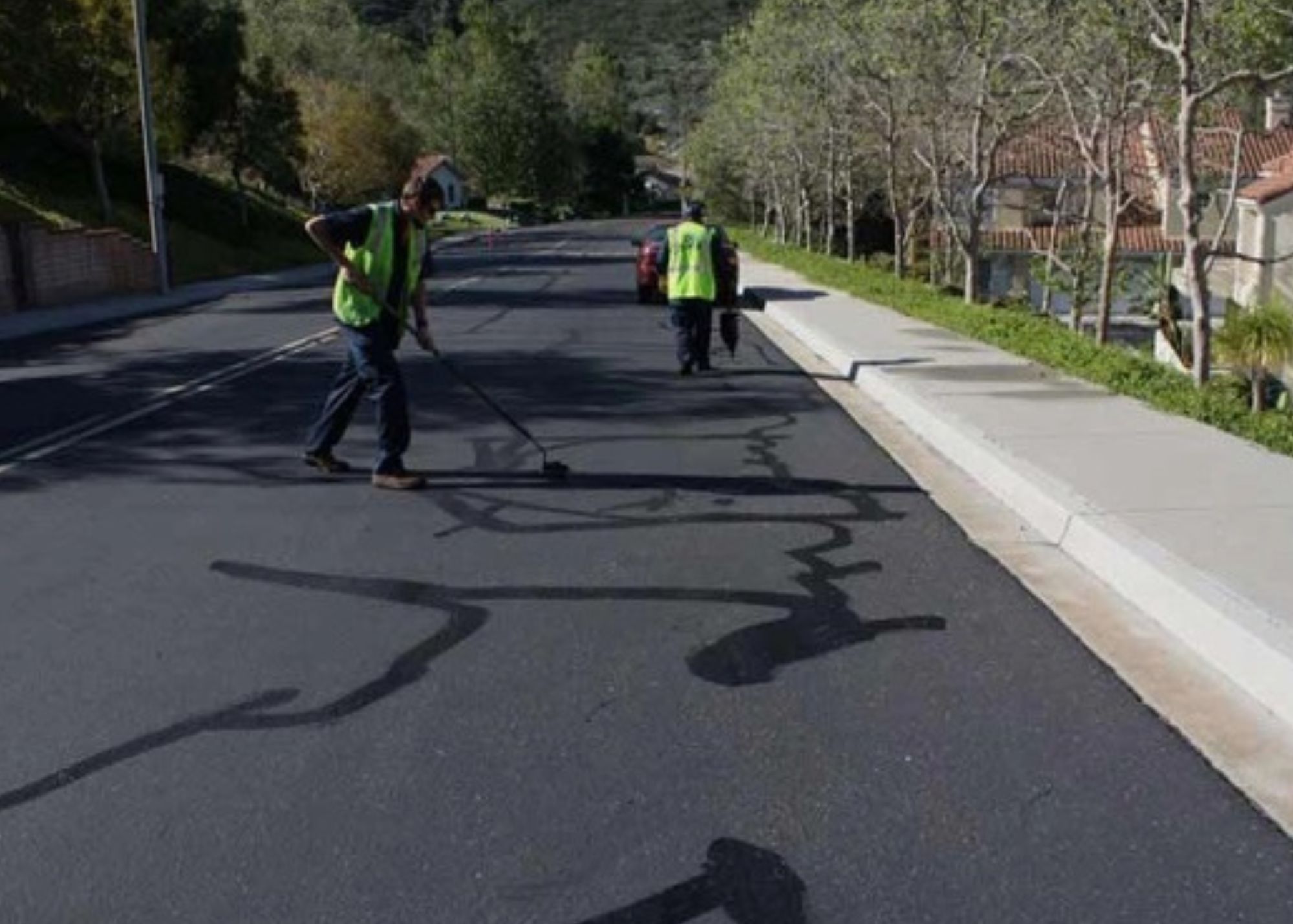
Is your driveway or parking lot starting to show its age? Those cracks and dull surfaces are more than just cosmetic issues; they signal potential problems down the road.
You’re not alone in facing these issues, but there are effective ways to handle them. Ensuring that your pavement looks great and lasts longer doesn’t have to be an uphill battle.

You deserve peace of mind regarding your investment in your property’s exterior, and understanding the difference between crack sealing and sealcoating is a valuable step toward achieving that.
This blog post will explore the world of crack sealing and sealcoating and when you might require each service. With over 30 years of expertise in pavement preservation, General Pavement Management is here to help. We offer insights to help you maintain your pavement with reliable information and professional care. Let’s explore these essential maintenance techniques and how they can benefit you.

What is Crack Sealing?
Asphalt cracks are normal and occur naturally over time.
So, what’s the big deal with asphalt cracks?
Eventually, unsealed cracks will lead to sub-base failure, resulting in extremely costly repairs. Unsealed cracks allow water and debris to enter and further damage the surface and sub-structure of the asphalt. Water infiltration is a major culprit in expanding existing cracks and creating new ones.
Crack sealing addresses the root cause of asphalt deterioration. Think of it as preventative medicine for your pavement. By sealing cracks, you effectively prevent further damage, extending the life of your investment and saving you money on costly repairs in the future.
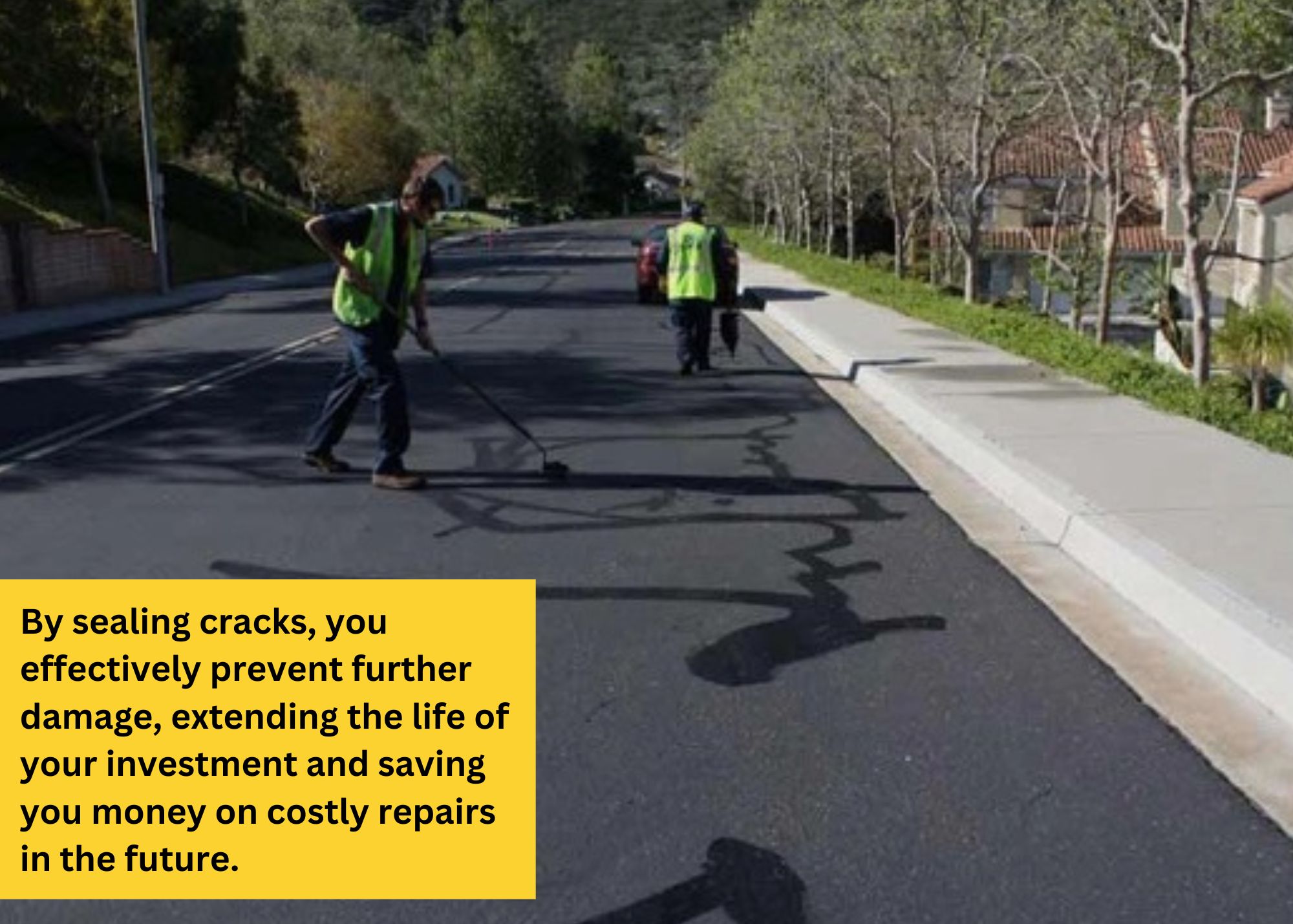
The process involves thoroughly cleaning cracks, filling them with specialized materials, and sealing them with a flexible barrier that adjusts with temperature changes. Common materials used to seal cracks include rubberized asphalt, polyurethane, and epoxy. Because of its adaptability, crack sealing is highly effective in maintaining the integrity of your pavement over time.
When Do You Need Crack Sealing?
Consider crack sealing when noticeable cracks begin to appear on your asphalt surfaces. Seasonal changes, like freeze-thaw cycles, can exacerbate existing cracks. Cracks can form for a variety of reasons, including thermal movement, asphalt shrinkage, and natural aging.
Here are key indicators that you need crack sealing:
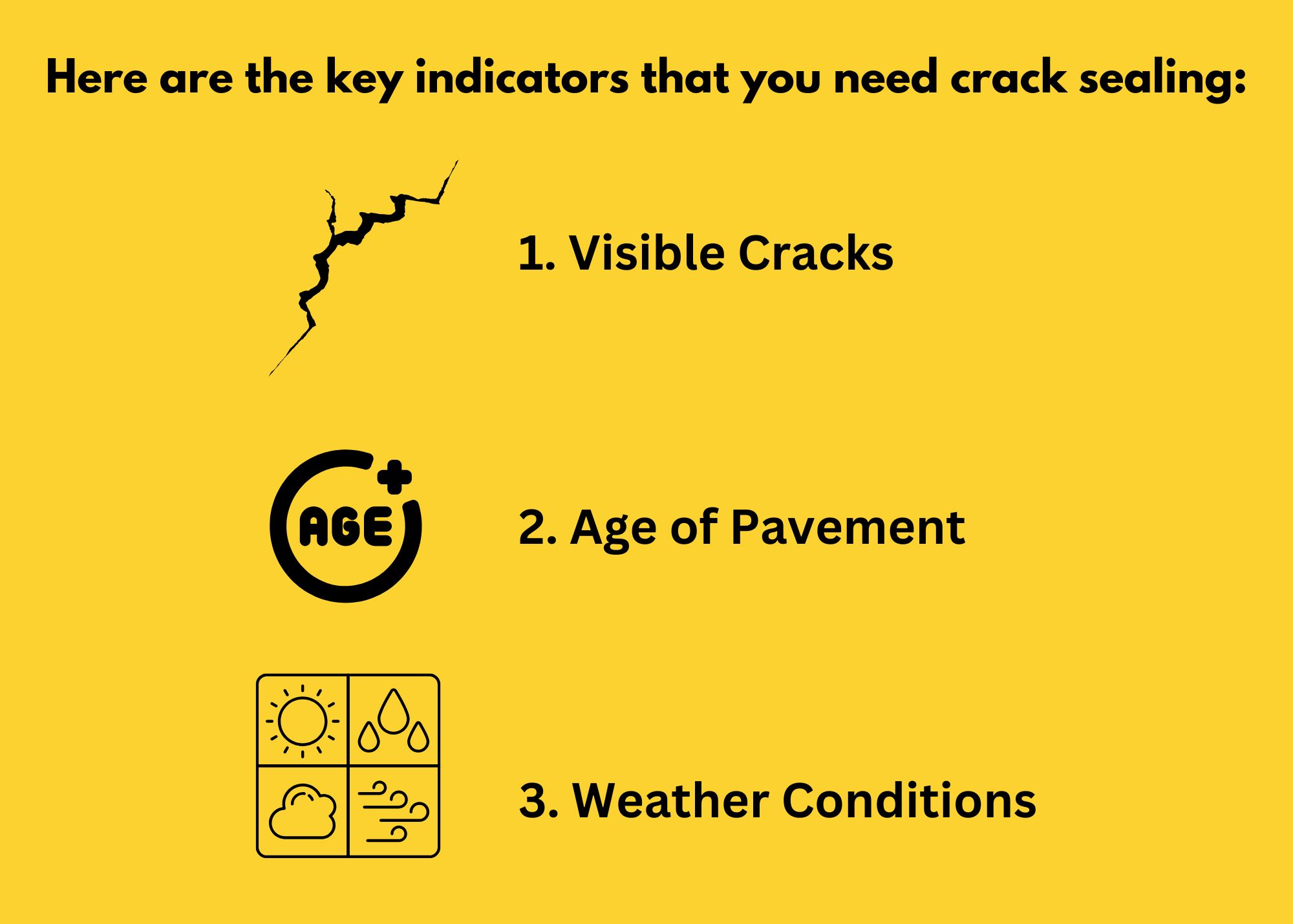
- Visible Cracks: As soon as you start noticing visible cracks, no matter their size, it’s time to seal them to prevent further damage.
- Age of Pavement: Asphalt surfaces that are a few years old are more susceptible to cracking. Routine inspection every six months can help identify and address cracks early.
- Weather Conditions: After winters or rainy seasons, cracks may become more prominent. Seal immediately to avoid water-related damage.
Remember, early intervention with crack sealing saves you money in the long run and prolongs the life expectancy of your asphalt. If you neglect crack sealing, it leads to progressively worsening damage, requiring more extensive and expensive repairs.
For more insightful maintenance tips for your asphalt pavement, check out our previous blog post: 5 Key Steps to Asphalt Maintenance.
What is Sealcoating?
Sealcoating is often confused with crack sealing but serves a different purpose. It involves applying a protective coating over the entire surface of your pavement. This coating acts as a barrier against elements like UV rays, chemicals, oil spills, and the wear and tear of everyday traffic.
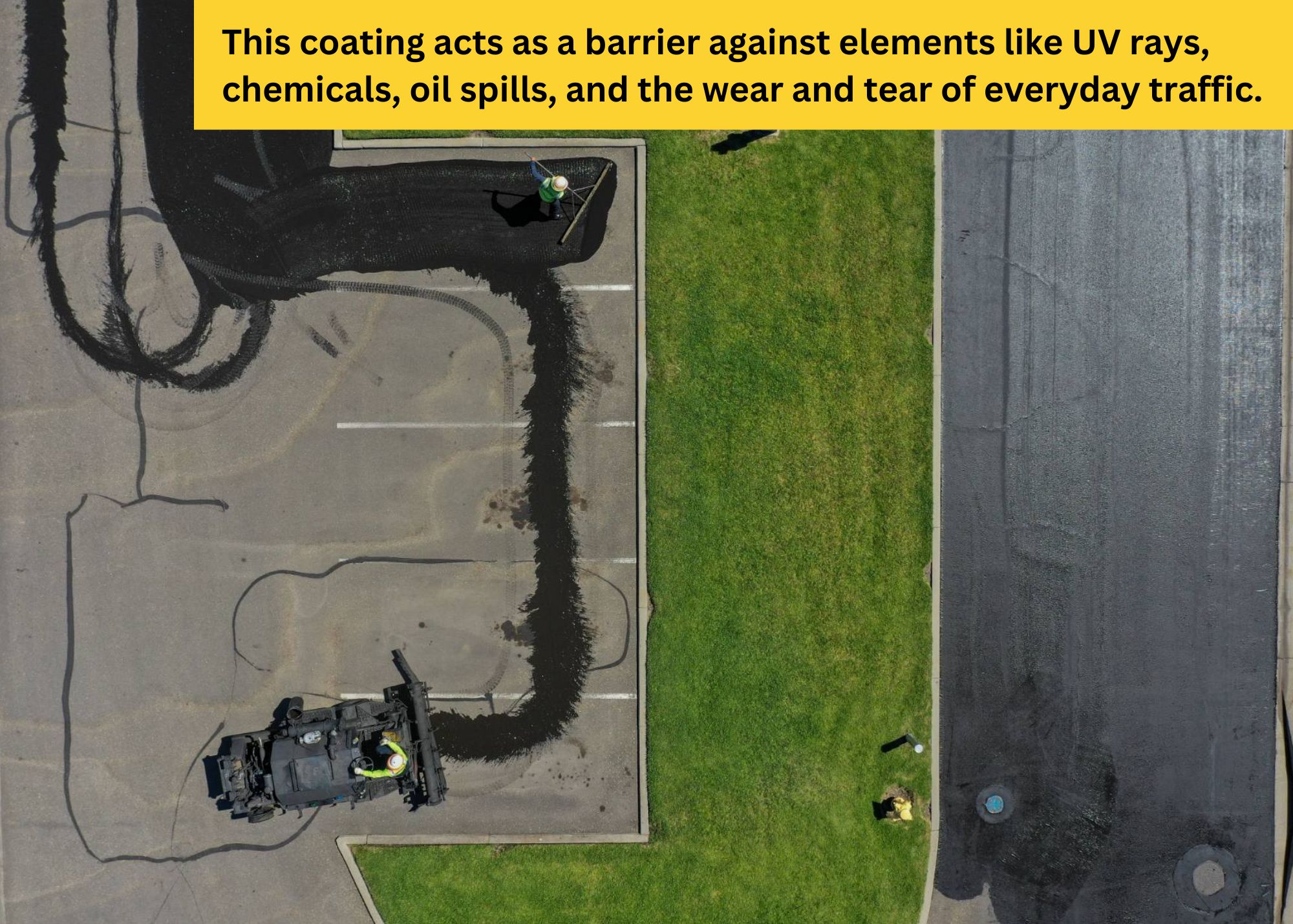
It’s like applying sunscreen to your pavement, providing a protective layer that shields it from the harsh elements and extends the overall lifespan of the pavement.
The process involves applying a liquid coating over the entire asphalt surface, creating a barrier. Common sealcoating materials include coal-tar emulsions and asphalt emulsions mixed with inert fillers, water, emulsifying agents, and additives.
Sealcoating also enhances the appearance of your asphalt. It gives it a fresh, rich, black finish, instantly boosting curb appeal. Moreover, this process is relatively quick, typically taking only a few days from start to finish. This allows traffic to resume shortly after application.
When Do You Need Sealcoating?
When is sealcoating the right choice? Determining when to apply sealcoating involves assessing the current condition of your pavement and its exposure to damaging elements. Generally, you should consider sealcoating for the following:

- Exposure to the Sun: UV rays cause asphalt to crack and fade. If your pavement is constantly exposed to sunlight, sealcoating significantly reduces UV damage.
- Chemical Exposure: If your pavement endures spills from oils, gas, and other chemicals, sealcoating can protect the surface from these corrosive substances.
- Traffic Wear and Tear: High foot or vehicle traffic erodes the surface layer over time. Sealcoating acts as a protective shield to sustain such activity levels.
- Aesthetic Appeal: When your pavement begins to look worn or faded, and you desire to refresh its appearance, sealcoating is an optimal choice to enhance its visual appeal.
Typically, sealcoating should be reapplied every 2-3 years, depending on environmental conditions and usage.
Like crack sealing, the ideal time for sealcoating is generally during warmer, drier periods for optimal adhesion and curing. Delaying sealcoating leads to increased deterioration and a faster decline in the aesthetic appeal of your driveway or parking lot.

You can learn more about the importance of sealcoating in our blog post: Does Sealcoating Work in California?
The Differences Between Crack Sealing and Sealcoating
While both sealcoating and crack sealing contribute to asphalt maintenance, they serve distinct purposes. Understanding the specific roles of crack sealing and sealcoating is vital for effective pavement maintenance.
Crack sealing targets repairing individual cracks, preventing water infiltration and further pavement damage. It is a more localized treatment, addressing specific areas of concern.

Crack sealing addresses minor cracks before they worsen.
Sealcoating, on the other hand, covers and protects the entire surface, enhancing aesthetics and offering a holistic shield against various damaging elements. Sealcoating is a preventative measure, extending the life of the asphalt even if there aren’t significant cracks.
Determining the best approach requires assessing your pavement’s current condition. Begin by examining your asphalt for cracks and checking their depth and extent. Next, observe the overall appearance—is the color faded, or is the surface showing signs of wear? Consider the local climate and environmental conditions.
A simple checklist might include:
- Are there visible cracks?
- Is the surface showing signs of wear?
- Has the color noticeably faded?
For a precise assessment, especially if uncertain, consult a professional asphalt maintenance service.
The cost of each option depends on the size of the area treated and the type of material used. Crack sealing is typically a less expensive initial investment than sealcoating, but both contribute to long-term cost savings.
For optimal protection and longevity, consider combining both crack sealing and sealcoating.

This combined approach not only maximizes the life of your asphalt but also saves you money on large-scale repairs in the future. Many of our customers have reported remarkable improvements and long-term cost savings using this strategy.
The Benefits of Regular Maintenance
Routine maintenance using both crack sealing and sealcoating ensures your pavement remains strong and durable throughout years of use. Here’s how the combination of these two processes can benefit you:
- Extended Lifespan: Consistent treatment of cracks coupled with a protective surface layer significantly increases the longevity of your pavement.
- Cost Efficiency: Preventative measures cost less in the long run than the expenses associated with major repairs or complete resurfacing.
- Safety Boost: Properly maintained surfaces prevent potential hazards from deterioration and uneven pavement.
- Investment Protection: A well-maintained exterior reflects positively on property value and aesthetic attraction.

Why Professional Asphalt Services Matter
Entrusting your pavement maintenance to professionals guarantees the use of quality materials and craftsmanship in the application of treatments. Professionals will accurately assess the condition of your pavement, recommending the right service at the proper time for maximum benefits. Experience, precision, and attention to detail in execution set professional service apart.
Choosing the right asphalt maintenance service is crucial for successful sealcoating and crack sealing. Look for companies with experience and a solid reputation. Check for certifications or affiliations with relevant industry associations. During consultations, ask about their materials, processes, and warranties. Don’t hesitate to ask for references and testimonials from previous clients. A reputable company will provide clear answers and address all your concerns.
Your Road to Perfect Pavement
Armed with insight into crack sealing and sealcoating, you’re now well-prepared to make decisions that best serve your pavement’s needs. Consistently employing these maintenance techniques ensures your paved surfaces’ durability and aesthetic appeal.
If you need experienced and professional assistance, contact General Pavement Management today! Our expert team will assess what is necessary to keep your pavement in pristine condition. Schedule your free consultation for a professional assessment and quote to ensure your asphalt remains in top condition.
Let us help you achieve a smooth, safe, and aesthetically pleasing surface that you can enjoy for years.
