


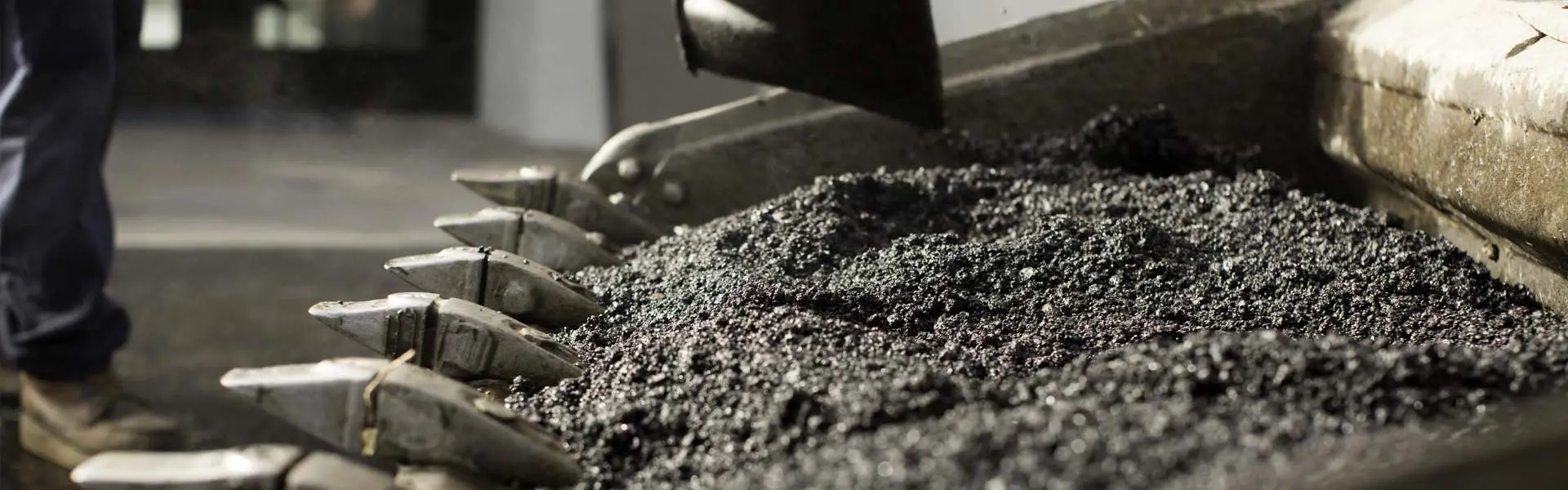
Understanding the Asphalt Paving Process
With over 30 years of experience, General Pavement Management (GPM) is a leading commercial paving contractor in both the Central Coast of California and throughout Southern California.
Asphalt is the most popular material in America for paving and you will learn more about why and how it can meet your needs in this article.
Asphalt is both flexible and durable, but not all asphalt is the same. You wouldn’t want to install the same asphalt used on a freeway on a quiet parking lot.
This is why it’s important to have experts ensure you get the right material to best address the needs of your particular project. Using the right material will improve durability, appearance, and cost-effectiveness.
There are many types of asphalt, but hot mixes are typically used for most projects. The most common distinctions are the size of aggregate (rock) and the asphalt mix design. Typically, a larger aggregate provides more robust strength for areas that regularly experience heavy traffic loads. Examples include truck depots and distribution centers. Smaller aggregates are desirable for “normal” car traffic, and the overall appearance is more aesthetically pleasing. Other differences can include water permeability, specialized modifiers & additives, and aggregate materials. The costs also vary but GPM will be able to help determine the best solution for your unique project and budget.
Asphalt vs. Concrete
Asphalt paving costs depend on the project, but generally, it’s a more cost-effective solution compared to concrete. Asphalt will also cure faster, which will allow for a shorter waiting period before usage. Since asphalt uses specialized binders, it makes the material more flexible and less likely to crack. However, concrete offers more variability in color, textures, and patterns, and requires less maintenance over time.
The climate can also affect each material differently and may determine which is used. Some asphalt mixes can soften in extreme heat, and concrete can be more easily damaged in colder climates with frost heaves.
Asphalt is often a top choice since it can be installed and used more quickly than concrete. Also, when repairs are needed, it can usually be done faster. Overall, initial investment for concrete is greater than asphalt, but requires little or no maintenance. Asphalt is more versatile but should be maintained every 3-5 years with a sealcoat and occasional repair to support pavement life. Properly installed and maintained, both asphalt and concrete will last for approximately 30 years.
Pavement Installation and Repair
The GPM asphalt team has the expertise to understand your needs and recommend a practical repair or installation plan that fits your budget. Some of the services we offer include:
- Overlays are commonly recommended as part of a repair or maintenance project. It is an installation of a new asphalt layer on top of the existing surface, extending the life of the pavement and delaying complete reconstruction. An overlay can be completed with or without a geotextile fabric layer depending on the condition of the asphalt surface.
- Mill & Fill, which consists of removing existing pavement with a milling machine to a depth of 1-2”. The milled material is hauled to a recycling facility. New asphalt mix, often containing some recycled asphalt pavement (RAP), is installed to replace the milled out material. Mill & Fill repairs can last 10-12 years.
- Sectional Patching is a solution for projects that do not require complete reconstruction or an overlay. Sectional patching is often a reasonable solution to extend the life of your pavement. The worst areas will be removed and replaced for a cost-effective solution.
- Removal & Replacement which is needed once asphalt reaches the end of its life cycle. At that point, the only realistic solution is to remove the existing pavement and replace it with new asphalt. There can also be severe subgrade failure resulting in the need for additional grading and base material. An ongoing maintenance program will greatly defer this costly option.
Asphalt paving methods will be determined based on your specific project. Since both the equipment and labor needs can vary, it’s recommended to talk to an expert to determine the best solution. Choosing the right contractor can ensure that you’re laying the proper groundwork, which is essential to minimize maintenance and repairs down the road. GPM uses the latest asphalt technologies which include using recycled materials.
Whether you’re paving project is for an HOA, shopping center parking lot, or commercial road, we have the solution for you. The GPM asphalt team has the expertise to understand your needs and recommend a practical repair or new pavement installation plan that fits your budget.
Asphalt Paving Process
From the moment you contact us, GPM takes the weight off your shoulders by going the extra mile. We provide planning, stakeholder notifications, site preparation, materials, compaction equipment, scheduling, regulatory compliance, and more.
We perform all asphalt paving jobs with impeccable speed and efficiency, reducing downtime for tenants and owners. Our goal is to deliver top-notch asphalt paving that is aesthetically pleasing, bears traffic conditions and provides lasting performance.
You’re welcome to explore our project gallery of completed asphalt paving projects to see the quality and consistency of our work.
The GPM Difference for Your Asphalt Paving Project
Ensuring that your parking lots, streets, and residential driveways are safe to use and stay in good condition is a critical part of commercial and industrial asphalt paving projects. GPM is here to help with new projects, repairs, patching, and reconstruction.
Through starting with high-quality materials, implementing best practices, and our trained team with a high level of expertise, GPM ensures client satisfaction.
Each of our locations provides top-tier services for ranch roads, wineries, homeowners associations, shopping centers, and commercial spaces. We come in on time and on budget and have enjoyed over 30 years of successful service to residential communities, commercial properties, and industrial facilities from Los Angeles to San Luis Obispo.
From start to finish, we are committed to providing the highest quality services. Our warranty is double that of the industry standard, and we always provide detailed proposals so clients fully understand expectations.
Whether it’s a new pavement installation or an overlay, getting good results with asphalt requires the best materials, the right tools and equipment, thorough worker training, and considerable experience.
For larger commercial or multi-phase developments, material choice is only one part of the equation. General contractors and developers often need paving partners who understand scheduling constraints, coordination with other trades, and project specifications. Exploring professional paving solutions for general contractors and developers can help ensure that asphalt paving, sealcoating, repair, and related work align seamlessly with broader construction timelines and performance expectations.
Contact us for a complimentary assessment plan and cost proposal.
FAQs on the Asphalt Paving Process
Why is asphalt a popular material for paving projects?
Asphalt is widely used because it provides a durable pavement and flexible asphalt surface that can handle different traffic conditions. It’s also a cost-effective solution that cures faster than concrete, allowing quicker access for vehicles. For any asphalt paving project, the right mix design and proper compaction ensure long-term pavement performance.
Are all asphalt mixes the same?
No. Asphalt mixes differ based on aggregate particles and the specific asphalt mix design. Larger aggregates offer more strength for heavy traffic loads, while smaller ones create a smoother asphalt surface for residential driveways and lighter use. Choosing the proper asphalt mixture helps achieve the best balance between appearance, cost, and durability.
How does asphalt compare to concrete?
Asphalt paving is generally more affordable and faster to install than concrete. Asphalt pavement is also flexible, reducing cracking under expected traffic loads. Concrete may require less maintenance, but asphalt installation allows quicker turnaround and easier repair of the surface asphalt. Proper site preparation and compaction extend the pavement life of any asphalt paving project.
What is an asphalt overlay?
An asphalt overlay involves installing a new asphalt layer over the existing surface to extend its service life. It helps delay full reconstruction and can include a geotextile fabric for added stability. This paving process improves the asphalt surface, enhances water drainage, and provides a cost-effective way to restore a worn pavement installation.
What is a Mill & Fill repair?
A Mill & Fill repair removes 1-2 inches of the existing asphalt surface and replaces it with a new hot mix asphalt layer, often including recycled asphalt. This asphalt pavement installation restores the entire surface, improving pavement performance and extending service life for 10-12 years when proper compaction is achieved.
When is removal and new pavement installation necessary?
Removal and replacement become necessary when the old asphalt reaches the end of its life or when there is severe sub base failure. In this case, the existing pavement is removed, and a new asphalt surface is installed from the sub base layer up. This complete asphalt paving process ensures a stable surface and long-lasting pavement life.
Why is selecting the right contractor important?
Working with the right asphalt paving contractor makes a noticeable difference in how your project performs over time. An experienced crew understands proper site preparation, selects the right asphalt mix for the location and traffic needs, and completes the asphalt pavement installation with proper compaction to ensure strength and durability. The right contractor oversees every step, from materials and planning to the final compaction, so your asphalt layer forms a stable surface that holds up under daily use. In the end, a successful asphalt paving project comes down to skill, attention to detail, and the use of reliable asphalt pavers and equipment.
GPM has over 35 years of proven experience, skilled crews, and a commitment to high-quality results, contact us to get an estimate and ensure your project is done right.